
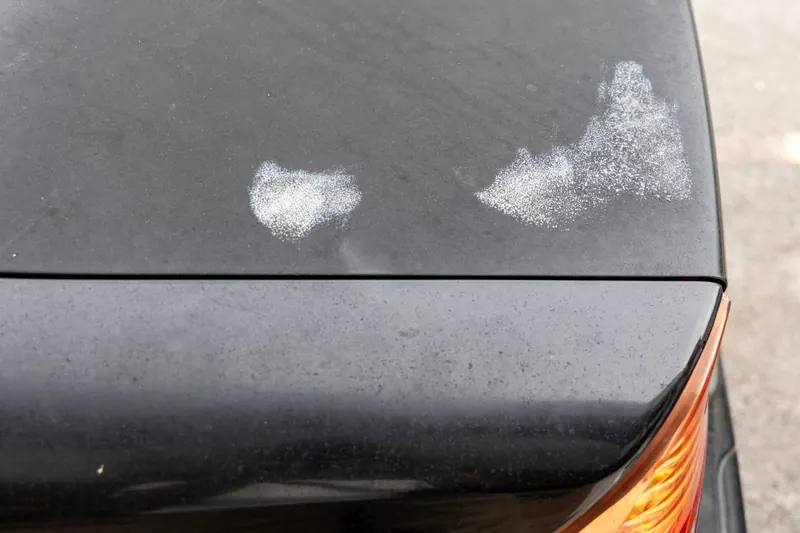
If you drive in North Texas, sooner or later you will need hail damage car insurance in Dallas TX. The DFW metro sits squarely inside "Hail Alley," and a single April or May storm can put thousands of dollars of dents into a hood and roof in under five minutes. Knowing exactly what your policy covers and what to do in the first 72 hours after a storm is the difference between a smooth payout and weeks of frustration.
This guide walks Dallas drivers through the 7 most important steps to take when hail damages your vehicle, in the right order, from a local bilingual team that handles these claims every spring.
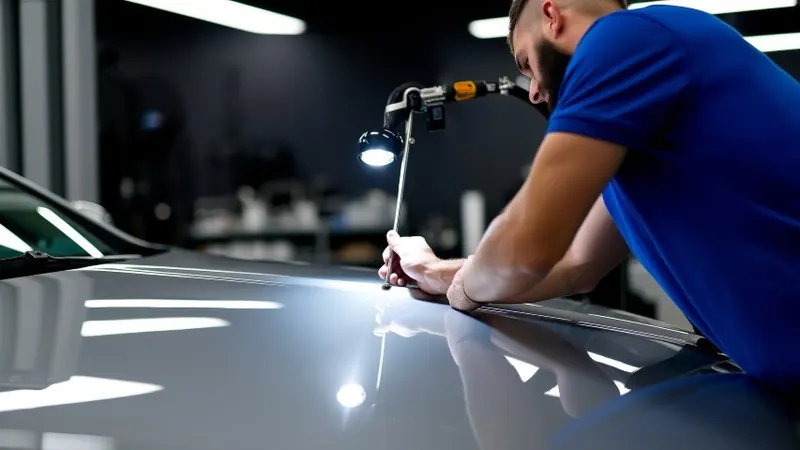
Step 1: Confirm You Have Comprehensive Coverage
Hail Is Only Covered by "Comprehensive": Not Liability
In Texas, hail damage is paid for under the comprehensive portion of your auto policy. If you carry only the state minimum liability (30/60/25), none of that hail damage is covered and you will be paying out of pocket.
Pull up your declarations page in your insurer's app or PDF. Look for the word "Comprehensive" next to a dollar figure, that figure is your deductible. No comprehensive listed = no hail damage car insurance in Dallas TX, period. Most lenders require comprehensive on financed or leased vehicles anyway, so check before storm season starts.
Step 2: Document the Damage Immediately
Photograph Every Dent Before You Move the Car
The moment the storm passes, take photos and video. Adjusters love date-stamped phone photos, they shut down disputes about when the damage actually happened. More documentation is always better.
Document from multiple angles:
- Wide shots of the whole car from four angles in daylight
- Close-ups of every dent on hood, roof, trunk, and panels
- Photos of broken or cracked glass, windshield, side windows, sunroof, mirrors
- A photo of remaining hailstones next to a coin or ruler for scale
- A 30-second walkaround video narrating the date and your Dallas location
Step 3: Call Your Dallas Insurance Agent Before the Shop
Always Call Your Agent Before Any Body Shop
The biggest mistake Dallas drivers make is calling a body shop or storm-chaser repair company before the agent. Your local agent files the claim correctly, steers you to approved shops, and pushes back on lowball settlement offers.
If GI Auto Insurance is your agent, call (214) 352-1600 and we'll start the claim right away, in English or Spanish. After-hours calls can still be opened with your carrier; we pick the file up the next business morning either way.
Step 4: Understand Your Deductible Before You File
Match Your Deductible to What You Can Actually Pay
Your deductible is what you pay out of pocket before insurance pays anything.
Texas allows insurers to use separate wind/hail deductibles in certain regions, though for auto, comp deductibles are typically flat dollar amounts. If you have any doubt, ask your agent to read your declarations page out loud with you.
Worried About the Next Dallas Hailstorm?
One phone call and we'll review your comprehensive deductible, fix any gaps, and quote across multiple carriers. Bilingual agents on staff.
Step 5: Get a Professional Hail Damage Estimate
Paintless Dent Repair (PDR) Is Often the Best Option
Once the claim is open, the insurer will send an adjuster or route you to a drive-through inspection center. For minor cosmetic dents, PDR is the gold standard, faster, cheaper, and keeps your factory paint intact. For cracked glass or deep panel damage, you'll need full body shop work.
A good estimate line-items every dent. If the first estimate feels low, you have the right to a second opinion. Don't be shy about asking for one, this is how Dallas drivers leave money on the table every spring.
Step 6: Watch Out for Storm-Chaser Repair Scams
Out-of-State Repair Companies Flood Dallas After Every Storm
The 48 hours after a Dallas hailstorm bring two kinds of people: legitimate local body shops and out-of-state "storm chasers" who flyer the neighborhood and knock on doors. The scammy ones offer to "eat your deductible", that is insurance fraud in Texas, and you can be on the hook for it.
- If a shop knocks on your door uninvited, ask for a Texas business license and physical Dallas address
- Never sign an "Assignment of Benefits" form without your agent reading it first
- Watch for high-pressure "today only" repair quotes
- Stick with shops your carrier or local agent recommends
Step 7: Decide: Repair, Cash-Out, or Total Loss
You Usually Have Three Paths After the Adjuster's Number Comes Back
Repair, cash-out, or total loss. A local agent walks you through the trade-offs so you don't leave money on the table or accidentally lock yourself into the wrong path.
- Repair it: insurer pays the shop directly, minus your deductible
- Cash-out: insurer pays you the repair amount and you decide whether to fix it (note: lenders on financed cars usually require actual repair)
- Total loss: if the repair estimate plus salvage exceeds the car's actual cash value, the insurer "totals" it and cuts you a check for pre-storm value minus deductible
For older Dallas vehicles (think 2014 and earlier sedans), hail claims often become total-loss claims. That's not a bad thing, it just means the check might be smaller than you hoped. Our agents will walk you through whether to accept or negotiate.
Visit our auto insurance page to review your current comprehensive coverage, or check our guide on what to do after a car accident in Dallas TX if your hail damage was combined with a collision.
What NOT to Do After a Dallas Hail Storm
Hail damage car insurance in Dallas TX is a forgiving claim, as long as you avoid these common mistakes:
- Don't drive through a hailstorm if you can avoid it: pull under a gas station canopy, overpass, or garage
- Don't power-wash dented panels: you can push dents deeper
- Don't sign anything from a door-knocking repair company without your agent reviewing it
- Don't wait more than a week to file: most policies have time limits on hail claim reporting
- Don't let the dealer buff it out before the inspection: you'll lose documentation
- Don't assume liability-only covers it: it never does
Need to File a Hail Damage Claim in Dallas?
GI Auto Insurance walks you through every step of the comprehensive claim process. Contact us and let our local Dallas team help you get back on the road.
What comprehensive really covers, deductibles, and faster claim steps
Hail Damage Car Insurance Dallas is a topic every driver should understand. North Texas sits in one of the nation’s busiest severe weather corridors, and large hail occurs in the Dallas-Fort Worth area nearly every year during spring and early summer. Severe storm losses are a major driver of insurance costs statewide.
This guide explains how comprehensive coverage pays for hail, what to expect with special hail deductibles, how to file claims correctly, and ways to reduce total cost without being underinsured.
The big picture on Texas hail and why it matters for premiums
Texas leads the nation in major severe storm events, and the last five years have seen a much higher average number of billion-dollar disasters than earlier decades. That frequency includes many hail-driven losses that affect auto and property insurance pricing.
Dallas-Fort Worth typically sees its most active severe weather during spring, with hail risk tapering as summer sets in. Seasonal peaks vary, but May has historically been the busiest month.
What comprehensive covers during a hail event
Comprehensive, sometimes labeled “other than collision,” pays for vehicle damage from hail, wind, flood, theft, vandalism, and similar non-crash events. That includes dented panels, shattered glass, and paint damage caused by hailstones. The Insurance Information Institute notes hail is a standard comprehensive peril on auto policies.
Texas law requires only liability to drive legally. Comprehensive and collision are optional unless your lender mandates them, but comprehensive is the part that helps you after hail.
Hail Damage Car Insurance Dallas, step by step
1) Safety and documentation first
Move to shelter when safe, then document damage with photos and video from multiple angles. Capture roof, hood, trunk, glass, and interior moisture if any. The Texas Department of Insurance recommends photo documentation and securing property to prevent further damage.
2) Open your claim promptly
Call your insurer or open the claim in your app. Ask about mobile estimating, DRP shop options, and whether a hail-specific deductible applies.
3) Understand your deductible
Some Texas policies use a separate comprehensive or named-storm deductible. Higher deductibles lower premium, but in hail country you want a level you can comfortably pay out of pocket.
4) Choose a qualified repair path
Paintless dent repair is common for hail. Ask about OEM vs alternative parts, recalibration for ADAS sensors, glass specifics, and cycle time. Your insurer may offer preferred shops, but you can choose any licensed shop you trust in Texas.
5) Watch for total loss thresholds
If repair cost plus salvage value approaches or exceeds actual cash value, the insurer may declare a total loss. Ask for the valuation report and review options for retaining the vehicle if desired.
6) Keep receipts and prevent further damage
Temporary covers, glass film, or tarps can prevent water intrusion. Keep receipts because many carriers reimburse reasonable mitigation expenses. TDI recommends preventing further damage after storms.
7) Track deadlines and communication
Save all adjuster emails, estimates, and messages. If something stalls, escalate through your carrier, then to TDI consumer help if needed.
Deductibles and pricing strategy for Dallas drivers
- Comprehensive deductible choice: Many DFW drivers pick 500 to 1,000 dollars to balance premium savings with hail exposure.
- Full coverage vs liability-only: Liability satisfies the law but does not pay for hail damage on your car. Consider keeping comp even if you drop collision on older vehicles.
- Garage and address honesty: Rating depends on where your car sleeps. Accurate details help avoid claim issues.
- Telematics and bundles: Savings from usage-based programs and multi-policy bundles can offset the cost of carrying comprehensive year round.